History
Japan Tobacco History: From State Monopoly to JT
Japan Tobacco (JT) grew out of a government tobacco monopoly begun in 1898, became a company in 1985 and is now one of the world's largest tobacco groups.
Updated · Cigars Japan Editorial Team
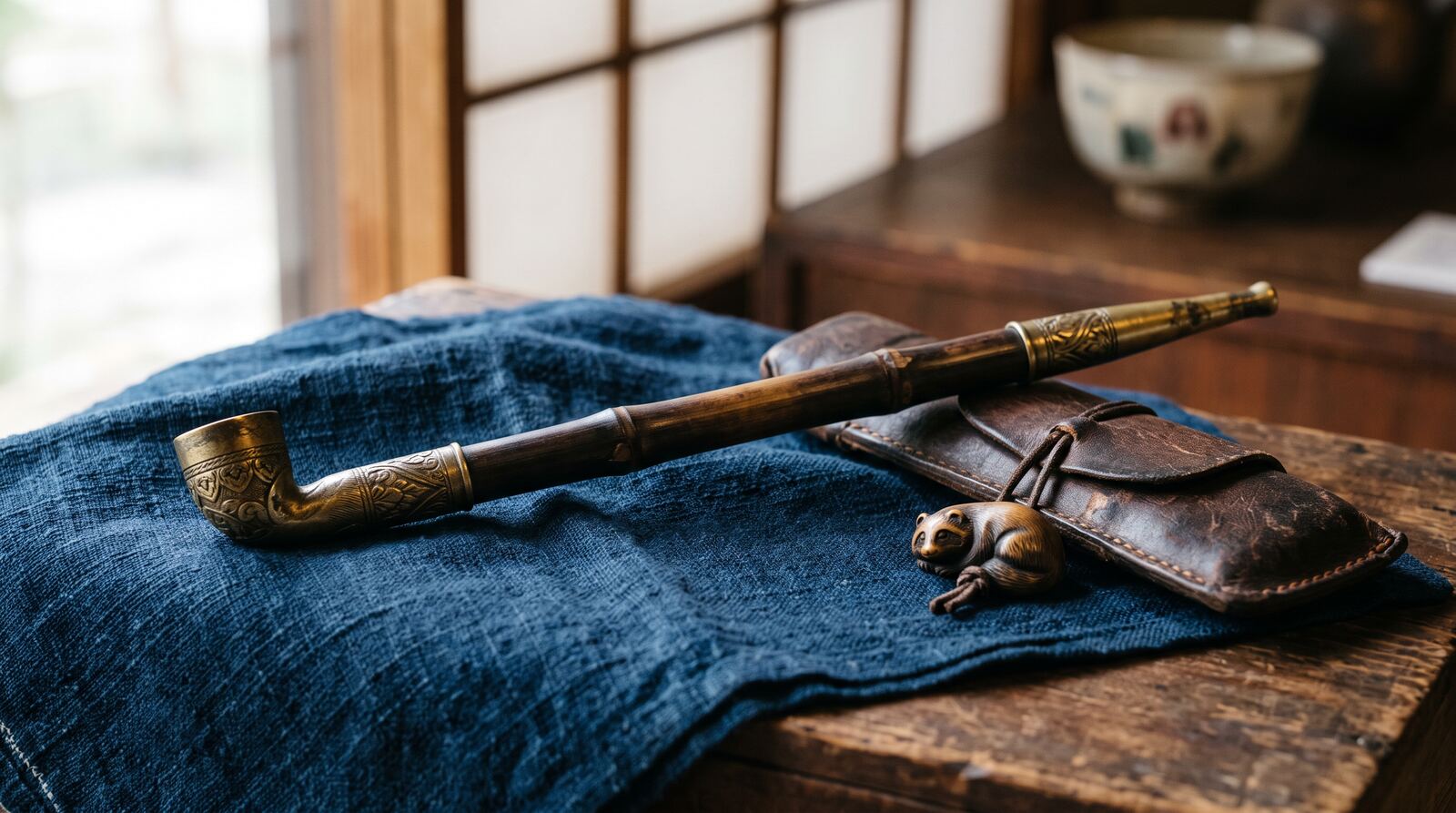
Read About the Kiseru Pipe →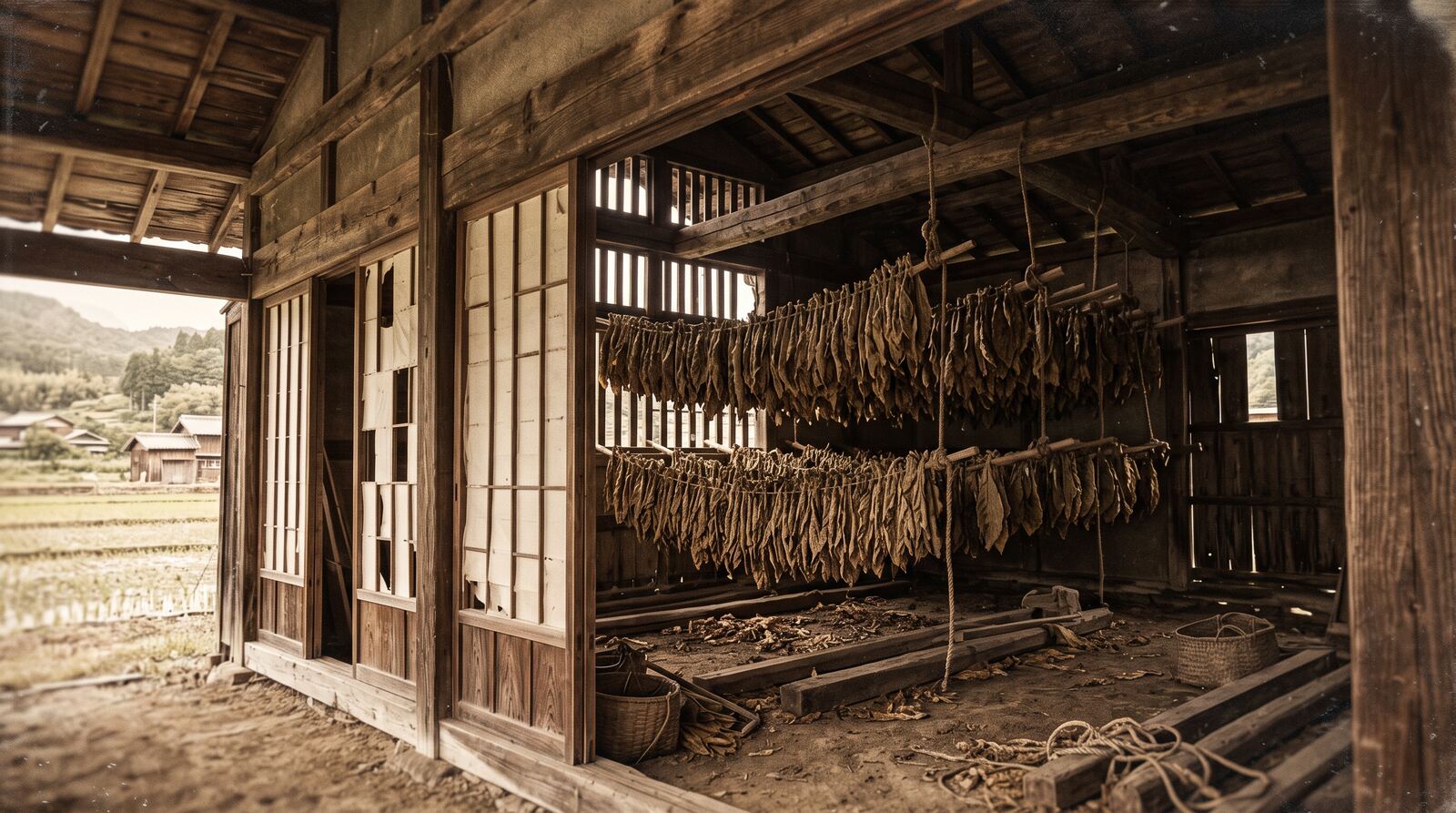
For most of the twentieth century, tobacco in Japan was a government business. The state grew the money, set the prices and made the cigarettes. That monopoly became Japan Tobacco Inc., known as JT, which today sells cigarettes and other tobacco products around the world. This page traces the story.
From Kiseru to Cigarettes
Tobacco arrived in Japan in the late 1500s, and for centuries it was smoked in the kiseru pipe. After the Meiji Restoration of 1868, Western-style cigarettes appeared and private companies competed to sell them, some with foreign backing.
The State Monopoly: 1898 and 1904
In 1898 the government created a monopoly over tobacco leaf to secure tax revenue. In 1904 it expanded the monopoly to all tobacco operations, including manufactured cigarettes, partly to help pay for the Russo-Japanese War. Private and foreign tobacco companies were pushed out of the Japanese market.
Postwar Public Corporation: 1949
In 1949 the monopoly was reorganized as the Japan Tobacco and Salt Public Corporation, under the Ministry of Finance. Right after the war, in 1946, it launched Peace, a cigarette brand that remains on sale. Later brands included Mild Seven, launched in 1977 and renamed Mevius in 2013, which became one of the best-selling cigarettes in the world.
Privatization: 1985
On April 1, 1985, the public corporation became Japan Tobacco Inc., a joint-stock company. Shares began to be sold to the public from 1994. The Ministry of Finance kept a large stake; after a sale in 2013, the law still requires the government to hold at least one-third of JT's shares. JT is headquartered in Toranomon, Minato, Tokyo.
Going Global: RJR International and Gallaher
JT became a global company through acquisitions:
- 1999 — JT bought R.J. Reynolds' international tobacco business, creating JT International (JTI), based in Geneva. JTI sells brands like Camel and Winston outside the U.S.
- 2007 — JT completed its purchase of the British company Gallaher Group, a deal worth about £7.5 billion and the largest foreign takeover by a Japanese company at that time. Gallaher brought brands including Hamlet, a well-known British cigar.
- 2018 — JT bought Russia's Donskoy Tabak for $1.6 billion.
Heated Tobacco
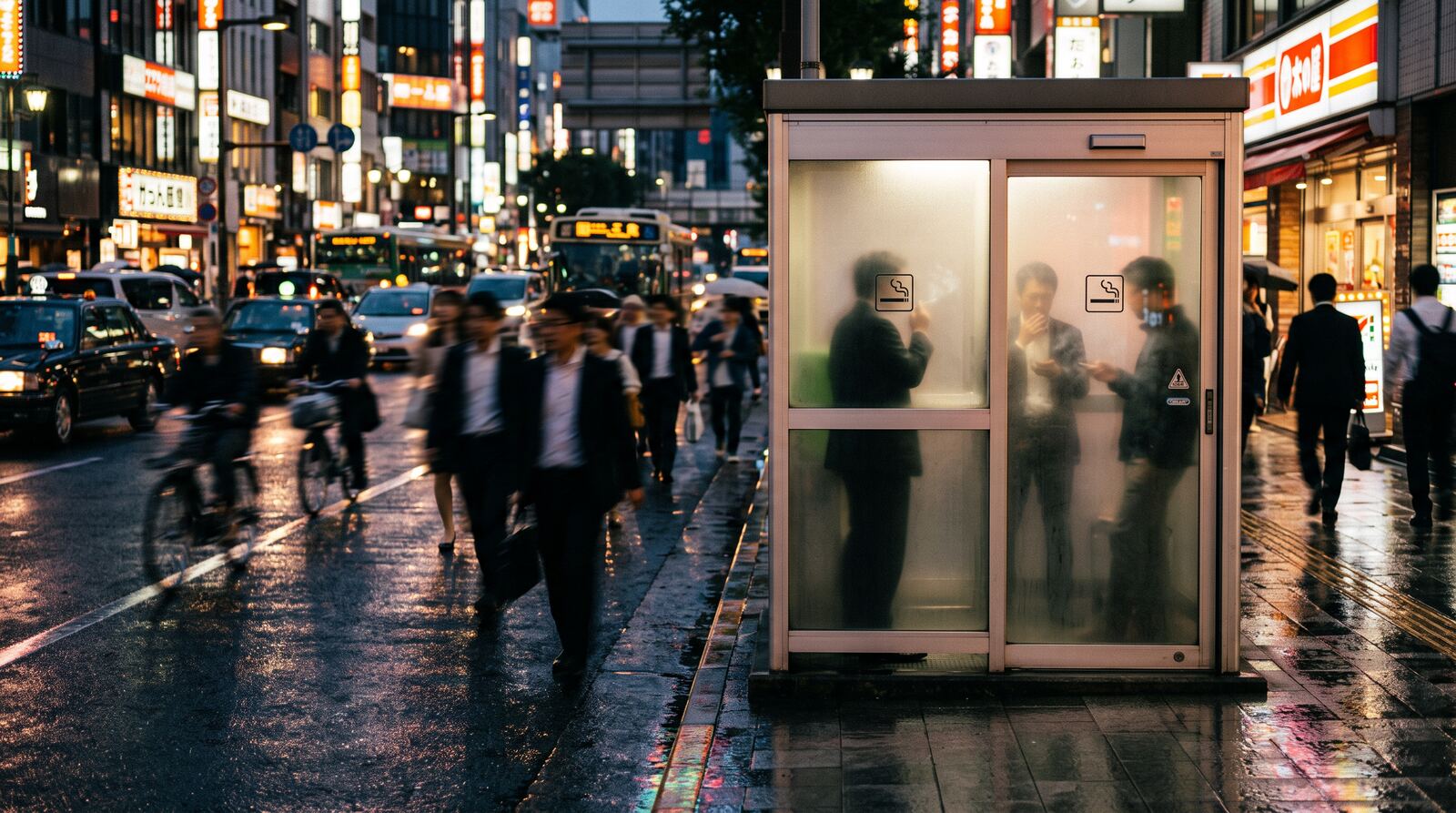
Japan became the first big market for heated tobacco. Philip Morris launched IQOS in Nagoya in 2014 and nationwide in 2015; BAT followed in 2016, and JT launched its own products in 2017. Japan's rules on these products are covered in smoking in Japan.
Tobacco Farming in Japan
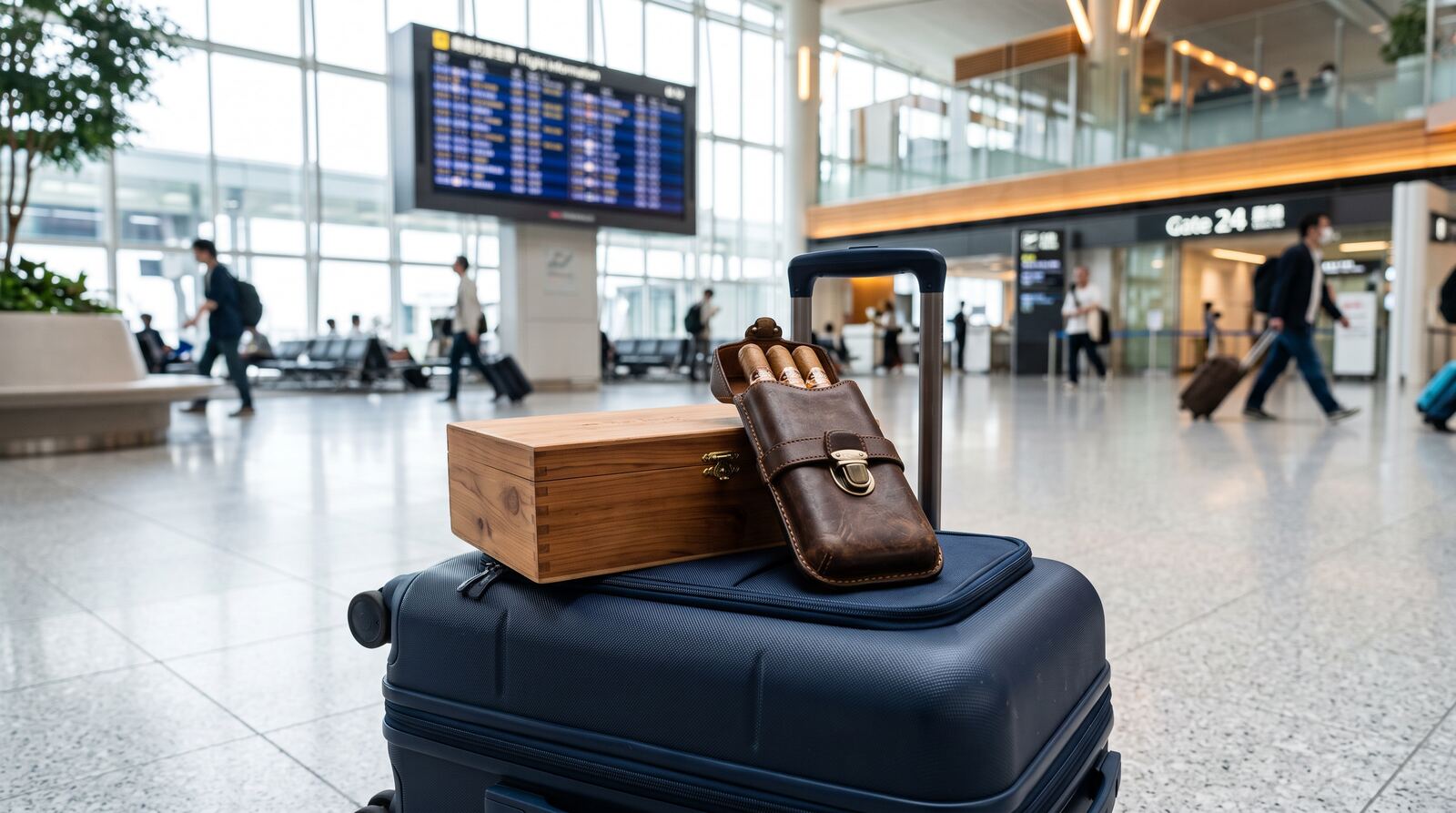
Japanese farmers still grow tobacco under contract, though acreage has shrunk as smoking has declined. Traditional wooden drying barns can still be seen in some rural areas. Japanese leaf goes mainly into cigarettes, not premium cigars, which is why almost all Japanese cigars on sale are imported.
Key Dates at a Glance
| Year | Event |
|---|---|
| 1570s+ | Tobacco known in Japan |
| 1898 | Leaf tobacco monopoly |
| 1904 | Full state tobacco monopoly |
| 1946 | Peace cigarettes launched |
| 1949 | Japan Tobacco and Salt Public Corporation |
| 1985 | Japan Tobacco Inc. formed |
| 1999 | RJR international business acquired (JTI) |
| 2007 | Gallaher acquired |
Frequently Asked Questions
When did the Japanese tobacco monopoly begin?
A leaf monopoly began in 1898 and was extended to all tobacco operations in 1904.
When was Japan Tobacco privatized?
Japan Tobacco Inc. was formed on April 1, 1985; public share sales began in 1994.
Does the Japanese government own Japan Tobacco?
Partly. By law the Ministry of Finance must hold at least one-third of JT's shares.
Does Japan Tobacco make cigars?
JT's Gallaher purchase in 2007 brought cigar brands such as Hamlet into the group; JT is mainly a cigarette company.
What is JTI?
JT International, based in Geneva, created when JT bought R.J. Reynolds' international business in 1999.